

The United Nations urges global action to achieve Climate Alert Equity. Millions remain unprotected against extreme weather events. The UN warns that climate-related disasters continue to rise. Equal access to early warning systems is vital for saving lives worldwide.
Rising Climate Disasters
The UN reports that climate-related hazards have killed over two million people in the last fifty years. Ninety percent of these deaths occurred in developing nations. The growing frequency of floods and storms highlights a global imbalance in climate protection.
Extreme weather is spiralling beyond control as warming intensifies. The United Nations says millions of people still face life threatening risks. The need for equal access to protection defines the call for Climate Alert Equity.
Gaps In Early Warning Systems
Nearly half of all countries still lack early-warning systems for disasters. Without these alerts, communities cannot prepare for floods, heatwaves or hurricanes. The UN’s World Meteorological Organization says timely alerts can save thousands of lives.
Nations without warning systems experience six times higher disaster deaths. These countries often lack the infrastructure to deliver rapid alerts. Climate Alert Equity aims to close this protection gap across continents.
UN Push For Global Coverage
The WMO has urged governments to strengthen monitoring and forecasting networks. It says the protection gap is widest in poor and conflict-affected regions. Improving communication systems will prevent unnecessary loss of life.
UN agencies are calling for stronger international cooperation to share weather data. Global funding and technology sharing will help fragile states establish their own alert systems. This initiative aligns with the goal of Climate Alert Equity.
Technological Progress And Limits
The UN acknowledged major progress in climate monitoring over the last decade. The number of nations using multi-hazard warning systems rose from fifty-two to more than one hundred. Still, many countries remain only partially covered.
A recent survey showed that half of sixty-two assessed countries have only basic warning capacity. Sixteen percent lack even that. The UN says technology must serve all nations equally to meet Climate Alert Equity goals.
Conflict Zones At Risk
Fragile and war-torn regions suffer the worst climate impacts. Ongoing violence prevents the installation of weather monitoring equipment. The UN warns that millions in such areas face repeated disasters without any advance notice.
Despite challenges, progress is visible in parts of Africa. More nations now issue standardised alerts and maintain working websites. The UN says this progress must expand to every region to realise Climate Alert Equity.
Global Examples Of Resilience
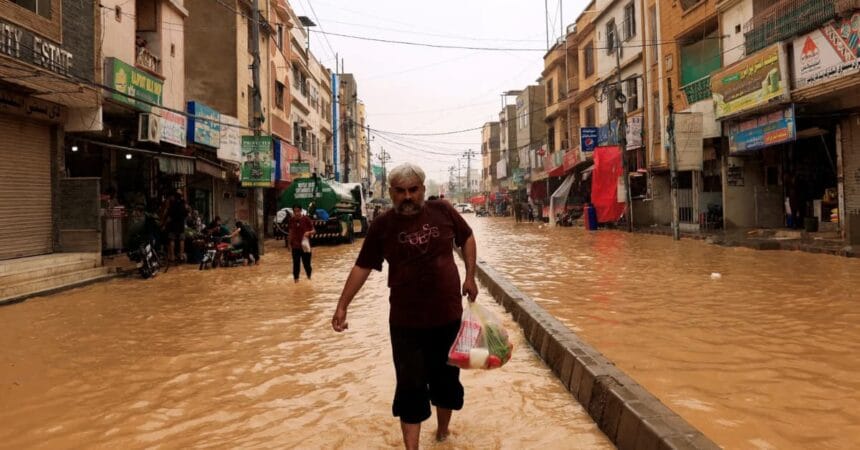
In 2025, severe floods struck Pakistan, Nigeria and South Korea. Wildfires burned vast forests across Europe and the United States. Each disaster showed how vital timely alerts are for saving lives.
Switzerland successfully prevented tragedy through early glacier monitoring. Scientists warned of a collapse in advance, allowing villagers to evacuate. The UN says this is proof that Climate Alert Equity can transform survival outcomes.
Empowering Early Action
The WMO Secretary General said early warning means early action. The UN wants not only to warn the world but also to empower it. Equal access to alerts ensures communities act before disasters strike.
The UN called for unity and scientific collaboration to ensure fair access to safety. Building Climate Alert Equity is not only a technical goal. It represents a moral duty to protect every person from worsening climate threats.