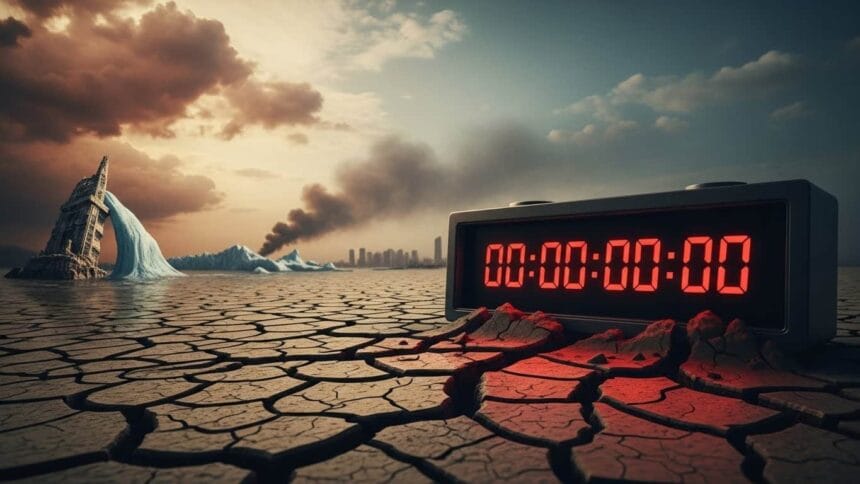
Imagine a clock counting down the time humanity has left to prevent catastrophic climate change. That is exactly what the climate clock represents. It’s a symbol of the remaining carbon budget and the global temperature rise limits we cannot exceed without facing irreversible consequences.
Understanding what happens when the climate clock runs out is vital because it isn’t just about abstract numbers. It’s about extreme weather, rising seas, economic disruption, and social upheaval that could affect every part of the world, from the USA to the UK and beyond.
- Overview:
- What Is the Climate Clock?
- How the Climate Clock Works
- Consequences When the Climate Clock Runs Out
- Table: Key Consequences of Climate Clock Reaching Zero
- Can We Reset the Climate Clock?
- What You Can Do Now
- Conclusion
- FAQs
- Why is 2030 considered the point of no return?
- How long do we have left before climate change causes catastrophic effects?
- What will happen in 2050 if we do nothing about climate change?
- What happens if the doomsday clock hits midnight?
- Can individual actions really make a difference?
- Is it too late to reverse climate change?
The closer the clock gets to zero, the less time we have to act—and the more dramatic the consequences for our planet.
Overview:
The climate clock condenses complex climate science into a visual reminder of urgency. It’s a countdown to when our CO2 emissions and global warming trajectory may push Earth past tipping points, making future recovery far more difficult.
What Is the Climate Clock?
The climate clock is more than a metaphor it’s a real scientific measure showing the time left to limit global warming to 1.5°C above pre-industrial levels. Scientists calculate a carbon budget, which is the maximum amount of CO2 humanity can release while avoiding dangerous climate outcomes.
Its main goal is to create awareness of the climate emergency. By displaying a countdown, it reminds policymakers, businesses, and individuals that every year of delayed action accelerates the global warming timeline. The clock underscores that small reductions in emissions today can buy critical time for the planet.
How the Climate Clock Works
The climate clock is driven by CO2 emissions and the Earth’s capacity to absorb greenhouse gases. Every ton of CO2 emitted shortens the remaining safe period before reaching critical temperature thresholds.
Key points about how it works:
- Carbon Budget: Total CO2 we can emit while keeping global temperature rise below 1.5°C.
- Current Emissions: At around 40 gigatons of CO2 per year, the safe budget is shrinking rapidly.
- Global Temperature Rise: If emissions continue unchecked, scientists predict accelerating global warming, leading to extreme environmental and social consequences.
The clock is a clear representation of climate science in action, translating abstract numbers into a simple countdown everyone can understand.
Consequences When the Climate Clock Runs Out
If the clock hits zero, the effects will be severe across environmental, economic, and social domains.
Environmental Impacts:
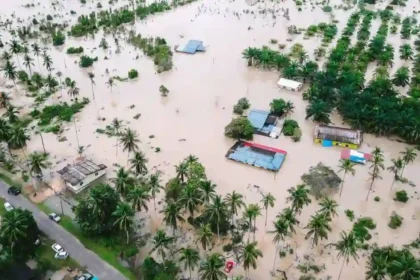
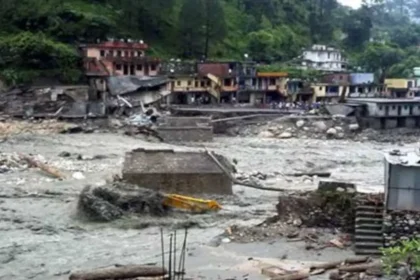
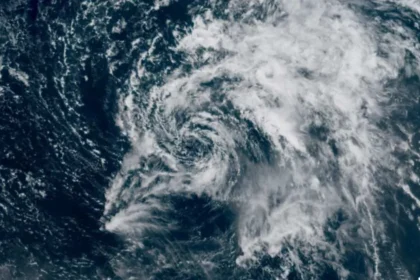
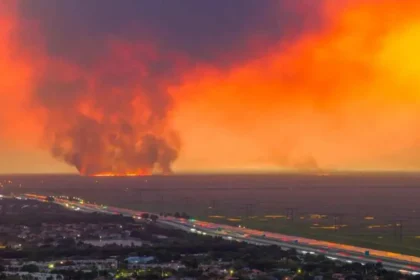
Rising sea levels, stronger storms, droughts, and heatwaves will become more frequent. Biodiversity loss and ecosystem collapse could be widespread, with coral reefs and forests particularly at risk.
Economic and Social Impacts:
Agriculture, fisheries, and industries could face disruption. Food and water scarcity may increase, while health risks like heat-related illnesses and climate-induced migration will escalate.
Irreversible Global Changes:
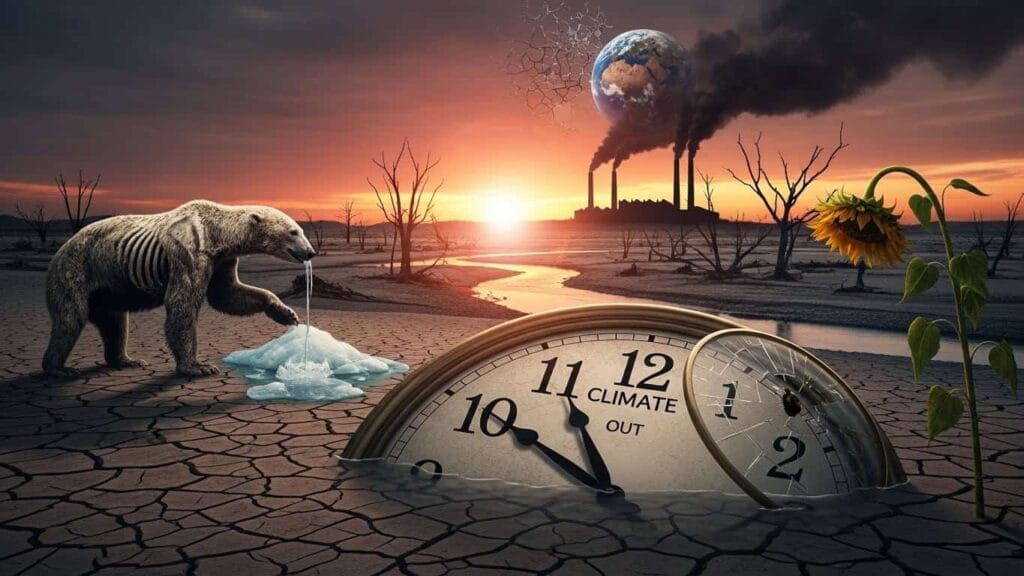
Crossing tipping points such as the Greenland ice sheet collapse or thawing permafrost could trigger feedback loops, accelerating global warming beyond human control.
You might be interested : Mediterranean Tabarca island escapes mass tourism
Table: Key Consequences of Climate Clock Reaching Zero
| Category | Impact | Timeline |
|---|---|---|
| Environmental | Sea level rise, extreme weather, biodiversity loss | 2030–2050 |
| Economic | Food shortages, industry disruption, market shocks | 2030–2060 |
| Social & Health | Climate refugees, heat illnesses, water scarcity | 2030–2050 |
| Irreversible Changes | Ice sheet collapse, permafrost methane release | 2040+ |
Every ton of CO2 we emit today brings the climate clock closer to zero, and with it, a future we may not be able to reverse.
Can We Reset the Climate Clock?
Although urgent, the clock can be slowed or even reset through meaningful climate action:
- Shift to renewable energy sources globally.
- Implement large-scale carbon capture and storage initiatives.
- Strengthen policies to enforce emission reductions and adhere to climate agreements.
The sooner global emissions are reduced, the more time humanity gains to stabilize temperatures and prevent irreversible damage.
What You Can Do Now
Individuals may feel powerless, but small actions add up:
- Reduce personal carbon footprint by using sustainable transportation, energy-efficient appliances, and plant-based diets.
- Advocate for climate-friendly policies and support renewable energy projects.
- Educate others and participate in community-level climate initiatives.
These steps, combined with global efforts, can make a meaningful difference in slowing CO2 emissions and protecting the carbon budget.
Conclusion
The climate clock is not just a symbol it’s a real measure of our planet’s health and the urgent need for action. Understanding what happens when the climate clock runs out shows the consequences of inaction but also highlights hope. By following climate science, respecting the carbon budget, and reducing emissions, we can reset the clock and create a sustainable future. Every action today matters for tomorrow.
FAQs
Why is 2030 considered the point of no return?
By 2030, exceeding the carbon budget will make limiting global temperature rise extremely difficult, greatly increasing the risk of irreversible climate impacts.
How long do we have left before climate change causes catastrophic effects?
Current emissions suggest less than a decade to avoid the worst outcomes of global warming.
What will happen in 2050 if we do nothing about climate change?
Expect severe weather events, food and water scarcity, mass migration, and long-term environmental changes by 2050.
What happens if the doomsday clock hits midnight?
Hitting midnight symbolizes reaching critical tipping points where human and natural systems face extreme, largely irreversible consequences.
Can individual actions really make a difference?
Yes. Collective efforts to reduce emissions, switch to renewable energy, and advocate for climate policies significantly influence the climate clock.
Is it too late to reverse climate change?
While challenging, reducing emissions and implementing large-scale solutions can stabilize global temperature rise and slow the climate clock.