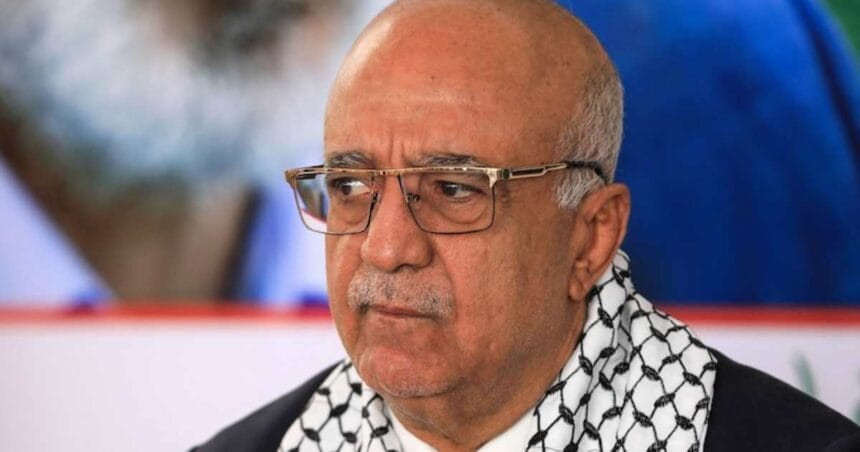
Yemen’s Houthi rebel movement has announced that its self-declared Prime Minister, Ahmed Ghaleb Nasser al-Rahawi, was killed in an Israeli airstrike on the capital, Sanaa, last Thursday. The strike also claimed the lives of several senior officials and left others seriously injured.
According to the Israel Defense Forces (IDF), the operation was carried out after receiving “precise intelligence” about a high-level gathering of Houthi leaders in the city. Israeli officials later described the strike as a “major blow” to the group’s leadership.
The Houthis confirmed that al-Rahawi was among those killed and added that other ministers also lost their lives, though not all names were disclosed. Local reports suggested that the ministers of foreign affairs, justice, youth and sports, social affairs, and labor were among the dead.
Mahdi al-Mashat, the head of the Houthis’ Supreme Political Council, vowed retaliation in a televised address, declaring that the group would avenge the deaths and continue its fight against Israel. He announced that Deputy Prime Minister Muhammad Ahmed Miftah would step in to assume al-Rahawi’s role.
Al-Rahawi, who became prime minister in August 2024, was largely considered a political figurehead rather than a key decision-maker. The group’s leader, Abdul-Malik al-Houthi, along with the defense minister and chief of staff, were not present at the time of the strike and survived the attack.
Since the escalation of the Israel-Hamas war, the Houthis have repeatedly launched missiles at Israel and targeted commercial vessels in the Red Sea, framing their actions as support for Palestinians in Gaza. Israel has responded with a series of strikes on Houthi-controlled areas, intensifying attacks on military sites and leadership positions.
Israeli Defense Minister Israel Katz confirmed the operation on Saturday, calling it an “unprecedented strike” against the Houthi leadership. He added that Israel would continue to pursue the group’s senior figures, similar to its past operations against Hamas and Hezbollah leaders across the region.
Tensions in Yemen remain high as the Houthis, who seized control of Sanaa in 2014, continue to hold large parts of northern Yemen despite years of conflict with the Saudi-backed government. The latest strike marks the first time Israel has successfully targeted the Houthis’ top leadership, signaling a possible shift in its military strategy in the region.