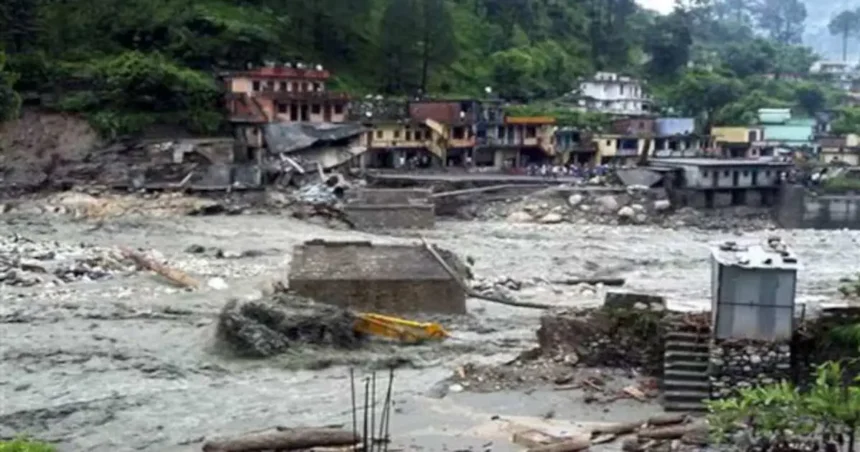
A flood alert in Asia has been raised as Uttarakhand reels from the devastating impact of torrential rains and cloudbursts. The overnight downpour triggered flash floods and landslides, destroying homes, blocking roads, and leaving thousands at risk.
In Dehradun, a sudden cloudburst caused heavy waterlogging in Sahastradhara and Tapovan. A key bridge collapsed, cutting off access to nearby areas, while blocked highways left commuters stranded. Local markets and the IT Park suffered major losses as floodwaters swept away shops and residential structures.
Neighboring Himachal Pradesh has also been hit hard. At least three people were killed in landslides, while authorities in Uttarakhand reported two missing residents. Officials warn that more casualties may emerge as rescue operations expand into remote villages.
Rescue Operations in Full Swing
The National Disaster Response Force (NDRF) and state disaster management teams are on the ground with boats, excavators, and heavy machinery. Hundreds of residents are being shifted to temporary shelters as emergency teams race against time to control damage and prevent further loss of life. Rising river levels remain a critical concern, with authorities monitoring the situation around the clock.
Monsoon’s Wider Toll
India’s monsoon brings annual flooding, but this year has proven exceptionally harsh. Hundreds of rain-related deaths have already been reported nationwide, highlighting the fragile balance between natural weather patterns and human settlement in vulnerable regions. Experts point to climate change as a key driver behind the increasing intensity of cloudbursts and flash floods across Asia.
Red Alert from Weather Department
The India Meteorological Department (IMD) has issued a red alert for Uttarakhand and Himachal Pradesh, forecasting more heavy rainfall over the next 48 hours. Officials are urging residents to stay indoors where possible, avoid risky travel routes, and cooperate with evacuation drives.
The crisis in Uttarakhand is a stark reminder of the urgent need for robust flood preparedness, sustainable infrastructure, and climate resilience planning across Asia. While rescue operations provide immediate relief, long-term strategies are vital to safeguard lives against the growing threat of extreme weather events.