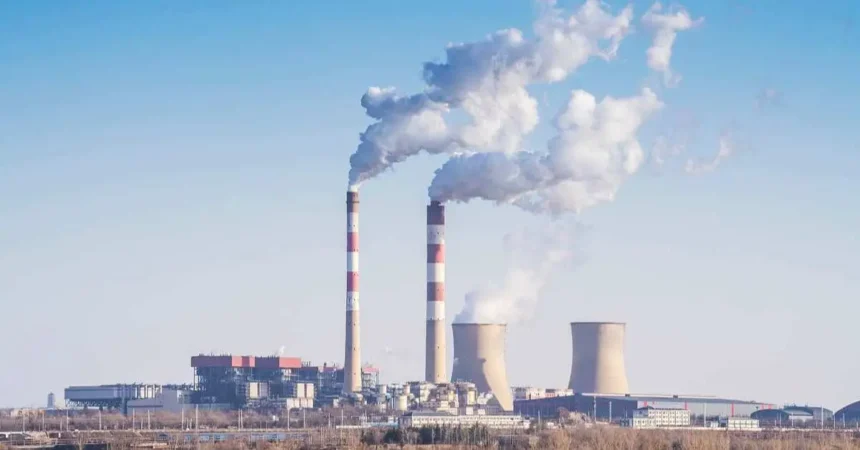
China converting coal plants to nuclear energy marks a major step in clean energy transition. By reusing old coal infrastructure, the plan aims to cut costs, speed up construction, and lower emissions. Advanced reactors like high-temperature gas-cooled and molten salt designs promise safer, more efficient power generation. With similar projects emerging in the U.S. and Europe, China’s massive nuclear pipeline and technical expertise position it to lead this global shift toward cleaner energy.
China Converting Coal Plants to Nuclear
China is studying a landmark plan to convert retiring coal-fired power plants into nuclear facilities. The China Energy Engineering Group Co. (CEEC) says the initiative, known as the Coal to Nuclear (C2N) strategy, could speed up the country’s shift toward clean energy and support its 2060 carbon neutrality goal.
Strengthening Climate Goals with Nuclear Transition
China converting coal plants to nuclear energy is expected to play a critical role in cutting carbon emissions while ensuring stable power supply. The shift supports China’s rapid industrial growth and its commitment to a cleaner future.
- Lower Carbon Footprint Replacing coal with nuclear power will significantly reduce greenhouse gas emissions and air pollution from energy production.
- Long-Term Energy Security This transition will provide a consistent low-carbon power source to meet the country’s rising electricity needs sustainably.
Using Existing Infrastructure
The C2N plan would use the land, grid links, and water resources of retiring coal plants to build new nuclear reactors. With 1.2 terawatts of coal capacity and nearly 100 gigawatts set to retire by 2030, the plan offers a faster and cheaper path than building nuclear facilities from scratch.
China converting coal plants to nuclear power stations would also help tackle land scarcity in the country’s densely populated eastern coast, where demand for electricity is highest but space for new projects is limited.
Advanced Reactors
Researchers say advanced technologies like high-temperature gas-cooled reactors (HTGRs) and thorium-based molten salt reactors could be ideal for retrofitting coal sites.
These fourth-generation reactors require smaller safety zones, less water, and offer meltdown-proof features, making them well-suited for existing coal infrastructure.
Global Trend
The U.S. and Europe are exploring the conversion of aging coal and gas facilities into clean energy hubs. The Biden administration’s 2022 Chips and Science Act identified hundreds of coal plant sites for potential nuclear use.
Bill Gates-backed TerraPower is already building an advanced sodium-cooled fast reactor on the site of a retired Wyoming coal plant.
China’s Nuclear Growth
China is building reactors faster than any other nation, approving up to 11 new units annually. The World Nuclear Association reports that China operates 58 reactors with 33 more under construction.
Experts believe that China converting coal plants to nuclear energy could make it the world’s top nuclear power producer by 2030, overtaking the U.S.
Economic Gains from Clean Energy Shift
China converting coal plants to nuclear power could deliver major economic advantages while accelerating the clean energy shift. Retrofitting existing coal sites will lower construction costs, create high-tech jobs, and attract investments in nuclear innovation. This strategy also reduces dependence on costly fossil fuel imports, strengthening China’s energy independence and long-term economic resilience.
Key Challenges
Despite technical progress, nuclear projects require heavy investment and strong public acceptance. Safety concerns and financing hurdles could slow the C2N transition even as China pushes for rapid decarbonization. Clear government policies and public awareness campaigns will be essential to address these barriers effectively.