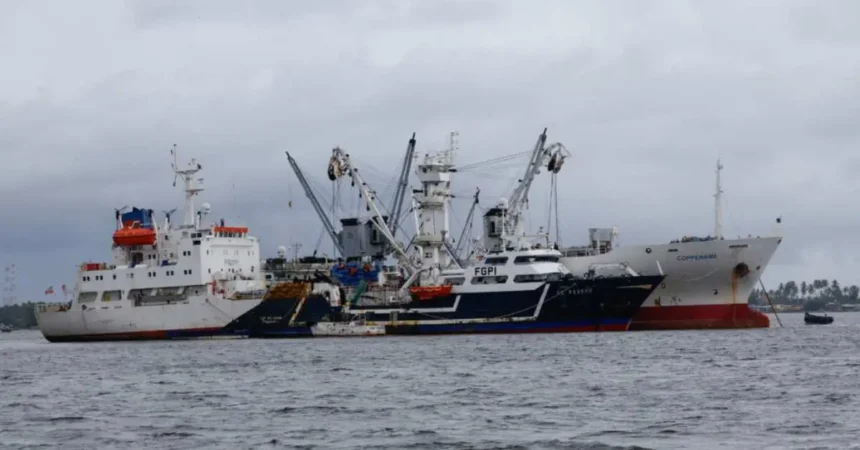
The WTO overfishing agreement has officially come into effect three years after its adoption. This WTO overfishing agreement aims to limit harmful subsidies and protect marine ecosystems worldwide. Countries are now required to reduce support for illegal and overfished stocks under the WTO overfishing agreement. Experts and advocacy groups believe the WTO overfishing agreement will help restore fish populations and secure sustainable fisheries for future generations. This agreement marks a significant step toward global ocean conservation and cooperation.
Agreement Enters into Force
The WTO overfishing agreement officially came into effect on Monday after 112 countries completed ratification. This crossed the two thirds majority required for the deal to be legally binding under WTO rules. The milestone marks a new era for sustainable fisheries and international cooperation on ocean protection.
The agreement is a milestone in global trade and environmental governance. Countries now have obligations to curb subsidies that encourage overfishing globally. This step demonstrates that multilateral trade rules can also support environmental sustainability and safeguard marine ecosyste
Environmental Focus
This is the first WTO agreement focused on ocean sustainability and environmental protection. It bans subsidies for illegal fishing overfished stocks and unregulated high seas operations.
- Stopping harmful subsidies Governments must end funding that depletes marine life and threatens ecosystems. This will prevent further destruction of ocean habitats and ensure sustainable fishing practices.
- Rebuilding fish stocks Experts expect these measures will help restore global fish populations over the next decade. Healthy fish stocks will support fisheries strengthen food security and secure livelihoods.
Major Economies Support
China the United States and the European Union have ratified the WTO overfishing agreement showing strong global collaboration. Their participation demonstrates a shared commitment to protecting oceans and promoting sustainable fishing practices. This move sets an example for other nations to follow and strengthens global fisheries governance.
The deal also lays the foundation for future negotiations to eliminate remaining subsidies that encourage overcapacity in fishing fleets. These discussions aim to further reduce harmful fishing practices and improve ocean sustainability.
Support for Developing Nations
A dedicated Fish Fund will provide essential support to poorer countries in implementing the new rules. The fund will also help improve monitoring systems and strengthen the management of fisheries. This initiative ensures that developing nations can comply effectively while promoting sustainable fishing practices.
- Technical training and equipment Countries receive resources to manage fisheries sustainably. The fund provides vessels monitoring systems and technical guidance for compliance.
- Community support It helps communities shift to sustainable activities reducing reliance on harmful fishing and supporting social stability.
Phase One and Challenges
Only the first phase of the WTO overfishing agreement is active targeting subsidies for illegal and overfished stocks. The second phase addressing fleet overcapacity remains under negotiation. The first phase lays the groundwork for stronger rules and provides a framework for future global fisheries reform.
Advocates warn that without completing the second phase overfishing risks will continue despite current protections.
Expert Warnings
Environmental groups like Oceana emphasize that the WTO overfishing agreement must be expanded quickly. Currently 38 percent of global fish stocks are overfished and nearly half are fully exploited.
The next four years will determine if countries can successfully finalize additional rules to strengthen protections before the initial agreement expires.
Global Milestone
WTO Director-General Ngozi Okonjo-Iweala called the WTO overfishing agreement a landmark for both people and the planet. She emphasized that this achievement is a major step in showing how trade rules can support environmental protection. The agreement demonstrates that international cooperation can safeguard oceans while also ensuring economic benefits for communities. It highlights the importance of collective action to protect the livelihoods of millions who depend on fisheries worldwide.