Nepal is witnessing its worst political unrest in recent history. Protests against corruption turned violent leaving dozens dead and thousands injured. Prime Minister KP Oli has stepped down and the army has taken control of the streets. Citizens are divided between fear of more instability and hope for political reform.
Streets Under Military Control
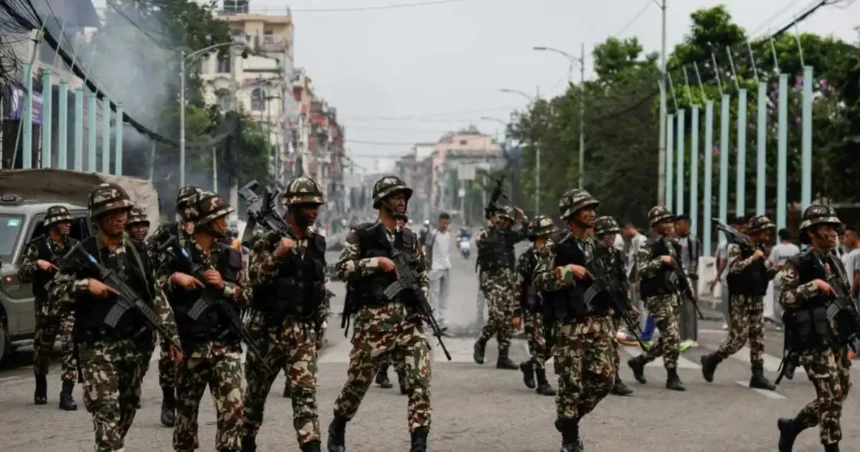
The army is now patrolling the main roads of Kathmandu to restore order after days of violent protests. Armed soldiers and military vehicles have been deployed across the city. Curfews have been imposed and people are being urged to remain indoors. Many businesses remain closed as uncertainty grips the capital.
Security Checks
Checkpoints have been set up in several districts where soldiers stop vehicles and question travelers. IDs are being checked and houses near protest sites are searched for weapons. Officials confirm that more than two dozen arrests have been made. The military has made it clear that vandalism and looting will be dealt with strictly.
Gen Z Calls For Peace
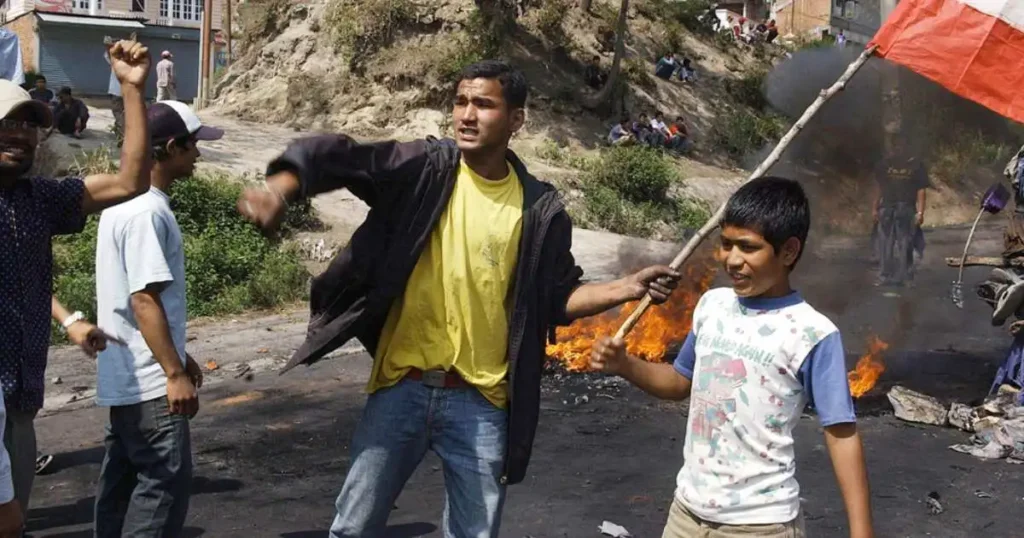
The protests were largely organized by Gen Z groups who claim their campaign was peaceful from the beginning. Youth leaders say violence broke out only after infiltrators hijacked the movement. They are urging people to remain calm and promising to push their demands through dialogue instead of street clashes.
Student Demands
Student leaders are now preparing a list of demands for the government and the army. These include fair elections monitored by independent bodies, transparency in governance, and strict action against corruption. They also want assurance that the ban on social media platforms will be lifted permanently.
A Nation In Shock
The scale of destruction has left the country shaken. Over thirty people have lost their lives while more than a thousand were injured during the clashes. Parliament and the Supreme Court were attacked by angry crowds while the homes of senior politicians were set on fire. For many Nepalis this marks a dark chapter in their history.
Public Response
Public opinion is divided. Some citizens believe the violence was unnecessary and has damaged the nation’s image. Others argue that the destruction reflects the deep frustration people feel toward corrupt political leaders. There is a growing fear that without real change the unrest could return even stronger.
Hopes For Change
Despite the bloodshed many citizens believe this moment could become a turning point. People are demanding leaders who are independent of old party politics and free from corruption. The unrest has opened conversations about creating a political system where accountability is more than just a slogan.
Youth Voices
Young activists point to figures like Kathmandu mayor Balendra Shah as examples of fresh leadership. They argue that only new faces with integrity can rebuild trust in the political system. Their voices echo across social media and community gatherings showing a hunger for genuine reform.
Why Protests Began
The unrest first erupted when the government imposed a sudden ban on social media platforms like Facebook and Instagram. Authorities claimed it was for national security but citizens saw it as an attack on free speech. This decision came on top of years of frustration over corruption and poor governance which sparked nationwide anger.
Root Cause
For months young people had been running online campaigns against the extravagant lifestyles of politicians and their families. These so called “nepo kids” became a symbol of privilege and corruption. When the ban silenced these voices thousands poured onto the streets demanding justice and accountability.
Leadership Vacuum After Resignation
Prime Minister KP Oli’s resignation has created a leadership crisis at the center of government. Parliament remains divided and no clear successor has emerged yet. With no stable leadership in sight people worry about how the country will be governed in the coming weeks.
Demands For Reform
Protesters are calling for fresh elections with clear rules to prevent corruption. They demand strict term limits and measures to stop the same political elite from regaining power. The public wants structural reforms instead of temporary solutions.
What Happens Next
For now the army holds control over the streets of Kathmandu. Negotiations with student leaders are expected to take place soon which could shape the country’s political path. Nepal stands at a crossroads between deeper instability and the chance to begin real reform.