Every device connected to a network needs an address, but sometimes you run into numbers that simply don’t make sense. One example is 258.63.253.200, a sequence that looks like an IP address at first glance but isn’t actually valid. Still, it shows up in tutorials, logs, screenshots, and even in incorrectly configured routers.
- What Does 258.63.253.200 Actually Represent?
- Is 258.63.253.200 Even a Valid IP Address?
- Why You Might See 258.63.253.200 on Your Device
- Typo
- Device Misconfiguration
- Incorrect Settings in Router
- Logs or Security Reports
- Used Incorrectly in Tutorials
- Malware or Script Modification
- Why Do We Use IP Addresses in the First Place?
- Public vs. Private IP Addresses (Where Would This Fit?)
- Could 258.63.253.200 Be a Server Address?
- How Hackers and Scripts Sometimes Use Invalid IPs
- IPv4 vs. IPv6 Why Invalid Numbers Matter
- Common Mistakes That Generate Invalid IPs Like This
- Why Beginners Should Understand IP Basics (Even Invalid Ones)
- Simple Analogy – IP Addresses as Apartment Numbers
- Can You Look Up 258.63.253.200?
- Valid IP Address Examples Compared to 258.63.253.200
- How to Fix an Invalid IP Like 258.63.253.200
- Final Thoughts, Why 258.63.253.200 Still Matters
- FAQs
- Can I identify a device by its IP address?
- How do I identify an unknown device on Wi-Fi?
- Is IP tracking illegal?
- Can an IP address reveal identity?
- Can we track a device with an IP address?
- How to find a device name by IP address?
- Extra FAQ: Why do invalid IPs appear in tutorials?
- Extra FAQ: Should I ever manually set an IP?
If you’ve seen 258.63.253.200 somewhere and wondered what it really is, you’re not alone. Many people search this exact number because it looks like it should work but doesn’t.
This strange-looking IP teaches one of the most important lessons in networking: not every number that looks like an IP is actually usable.
In this guide, we break down what 258.63.253.200 represents, why it appears, whether it can be used, and how to fix errors caused by invalid IP entries. Even though the number is incorrect, understanding why helps you avoid networking mistakes.
Comparison Table: Valid vs Invalid IPv4 Example
| Address | Valid? | Reason |
| 192.168.1.1 | Yes | Falls within allowed 0–255 range for each IPv4 octet |
| 172.16.5.10 | Yes | Private IPv4 block range |
| 258.63.253.200 | No | “258” exceeds the 0–255 limit |
| 10.0.0.50 | Yes | Common router/DHCP IP |
| 300.5.7.20 | No | 300 is outside valid IPv4 range |
What Does 258.63.253.200 Actually Represent?
Even though 258.63.253.200 looks like an IPv4 address, it doesn’t belong to any valid network. It’s simply a string of four numbers separated by dots.
It gets attention because:
- It looks like a real IP
- It appears in logs and scripts
- People often use incorrect examples when teaching networking
- Malware sometimes inserts dummy IPs into system files
Since many users don’t know the upper limits of IP ranges, numbers like this can easily confuse them.
Is 258.63.253.200 Even a Valid IP Address?
To know if an IP is valid, all four parts (called octets) must be between 0 and 255. This rule exists because IPv4 uses 8 bits per octet, and the maximum value for 8 bits is 255.
IPv4 Range Explanation
A standard IPv4 address looks like this:
0–255 . 0–255 . 0–255 . 0–255
Every number must fall inside this limit.
Why “258” Makes It Invalid
The first octet in 258.63.253.200 is 258, which is impossible in IPv4. That single octet alone makes the entire address unusable.
Why You Might See 258.63.253.200 on Your Device
If this invalid IP popped up on your phone, PC, router, or a website, there are several possible reasons.
Typo
Someone typed the wrong number while entering an address manually.
Device Misconfiguration
Routers sometimes show strange addresses due to firmware bugs or corrupted settings.
Incorrect Settings in Router
A wrong DHCP pool can lead to invalid IP suggestions.
Logs or Security Reports
Some logs use dummy values to hide the real IP for privacy.
Used Incorrectly in Tutorials
Beginners sometimes use random numbers without checking if they are valid.
Malware or Script Modification
Some malicious scripts insert invalid IPs to confuse users or break networking tools.
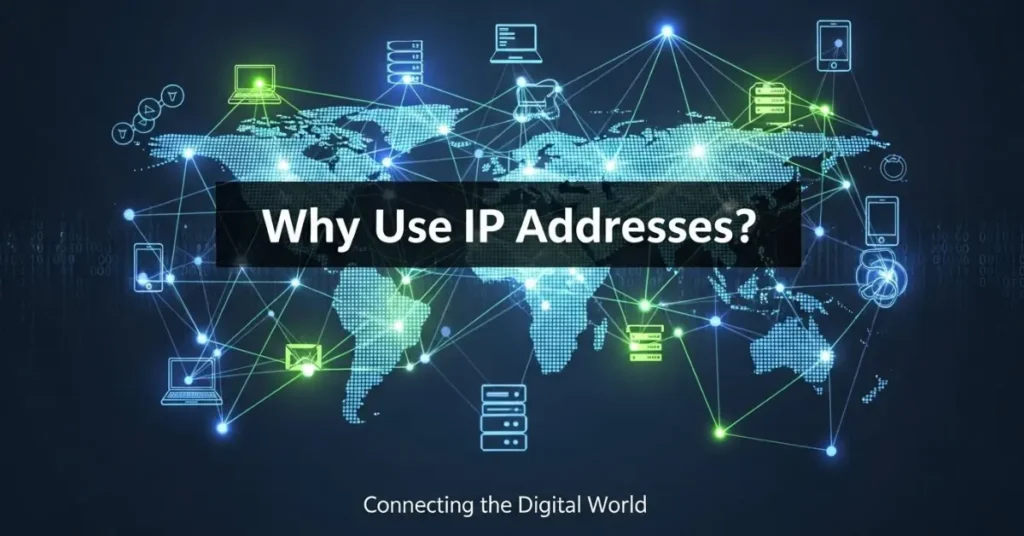
Why Do We Use IP Addresses in the First Place?
IP addresses give every device its own unique “home” in the online world.
Purpose of IP Addresses
They help devices:
How Devices Communicate
Think of IP addresses as digital identifiers used to route information from one device to another across networks.
Public vs. Private IP Addresses (Where Would This Fit?)
Valid IPs fall into two categories.
What Public IPs Are
A public IP is assigned by your ISP and is visible on the internet.
What Private IPs Are
Private IPs are used inside home or office networks. Examples include:
Why This One Fits Neither
Since 258.63.253.200 is not a valid IPv4 address, it can’t be public or private.
Could 258.63.253.200 Be a Server Address?
Servers need valid IPs to communicate across networks.
How Valid Servers Are Assigned IPs
They receive public IPv4 or IPv6 addresses from hosting providers or registries.
Why This IP Wouldn’t Work
No server or hosting company can assign an address containing a number above 255. It would fail instantly.
How Hackers and Scripts Sometimes Use Invalid IPs
Invalid IPs occasionally appear in cybersecurity incidents.
Dummy IPs
Hackers sometimes use fake IPs to mislead analysts.
Masking Activities
A script may hide true IPs by replacing them with impossible ones.
Misleading Logs
Some malware corrupts log files by injecting invalid entries like 258.63.253.200.
Not every number that looks like an IP address can actually function as one
IPv4 vs. IPv6 Why Invalid Numbers Matter
Valid IPv4 Example
A correct IPv4 address might look like:
203.0.113.25
Valid IPv6 Example
A valid IPv6 address looks completely different:
2001:0db8:85a3:0000:0000:8a2e:0370:7334
Why Ranges Matter
These rules prevent devices from using incorrect or overlapping addresses.
Common Mistakes That Generate Invalid IPs Like This
Beginners often make errors when manually entering network configurations.
Manual Entry Mistakes
Typing incorrectly, especially when copying numbers.
Misconfigured Tools
Some apps or routers auto-fill invalid ranges by mistake.
Corrupt Network Settings
Damaged configuration files can produce impossible addresses.
Why Beginners Should Understand IP Basics (Even Invalid Ones)
Learning about IPs can prevent unnecessary troubleshooting headaches.
Cybersecurity Awareness
Knowing what a valid IP looks like helps identify suspicious activity.
Networking Basics
A strong foundation helps you configure routers, Wi-Fi, and devices properly.
Avoiding Configuration Errors
Simple mistakes can break your network, so basic knowledge really matters.
Simple Analogy – IP Addresses as Apartment Numbers
Imagine a huge building where every apartment has a unique number. If someone writes “Apartment 258” but the building only has apartments numbered 1–255, that number makes no sense.
That’s exactly what’s happening with 258.63.253.200.
Can You Look Up 258.63.253.200?
Many people try to run a WHOIS lookup on this address.
What Happens in WHOIS
WHOIS search tools return no results because there is no registry entry.
Why Lookup Tools Reject It
They immediately detect it as invalid due to the “258” octet.
Valid IP Address Examples Compared to 258.63.253.200
Here are some correct IP addresses for comparison.
Examples of Correct IPv4
- 8.8.8.8
- 192.168.0.100
- 172.20.5.30
Examples of Correct Private IP Blocks
- 10.0.0.0 – 10.255.255.255
- 172.16.0.0 – 172.31.255.255
- 192.168.0.0 – 192.168.255.255
How to Fix an Invalid IP Like 258.63.253.200
If you accidentally entered this number or your device is showing it, here’s how to correct it.
Router Settings
Open your router admin page and restore default network address ranges.
DHCP Renewal
Release and renew your device’s IP to get a correct address automatically.
Resetting Network Configuration
If settings are corrupted, reset your network adapter or restore router defaults.
Final Thoughts, Why 258.63.253.200 Still Matters
Even though 258.63.253.200 is completely invalid, it helps beginners understand how IP addressing works, why certain rules exist, and how easy it is to misconfigure network settings. Learning the basics of valid IP formats makes troubleshooting smoother and keeps your devices running properly.
FAQs
Can I identify a device by its IP address?
You can know the network location, but not the exact identity of the device or user.
How do I identify an unknown device on Wi-Fi?
Check your router’s connected devices list. It usually shows the device name and MAC address.
Is IP tracking illegal?
Tracking for malicious purposes is illegal. Checking IPs for security or networking is normal.
Can an IP address reveal identity?
No personal identity is revealed. It may show the approximate city or internet provider.
Can we track a device with an IP address?
You can only get general location. Exact tracking requires legal authorities.
How to find a device name by IP address?
Use command tools like arp -a or check device lists in your router dashboard.
Extra FAQ: Why do invalid IPs appear in tutorials?
Sometimes beginners or automated scripts use random numbers without verifying validity.
Extra FAQ: Should I ever manually set an IP?
Only if you know what you’re doing. Otherwise allow DHCP to assign it automatically.